
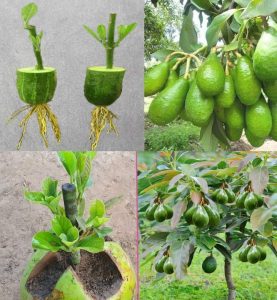
 In Kenya’s fast-growing agricultural sector, farmers are increasingly turning to modern crop grafting techniques to boost productivity, fight plant diseases, and adapt to climate change. This innovative approach is helping shape the future of sustainable farming in Kenya.
What is Crop Grafting?
Crop grafting is a plant propagation method where a scion (the top part of a plant chosen for desirable traits like high fruit quality) is joined with a rootstock (the bottom part selected for strength, disease resistance, or adaptability). The result is a grafted plant that combines the best of both worlds—quality harvests and resilience.
Why Grafting Matters in Kenya
Many farmers in Kenya face challenges such as:
-
Soil-borne diseases like bacterial wilt in tomatoes.
-
Drought stress in semi-arid regions.
-
Low yields from unimproved crop varieties.
By adopting grafted fruit trees such as mango, citrus, and avocado—or grafted vegetables like tomatoes, cucumbers, and watermelons—farmers are overcoming these obstacles. Grafted crops mature faster, resist common diseases, and produce more reliable harvests.
Benefits of Grafting for Kenyan Farmers
-
Disease resistance: Especially important for tomato grafting, which protects against wilt.
-
Higher yields: Grafted mangoes, avocados, and citrus trees deliver larger, better-quality harvests.
-
Climate resilience: Grafted plants tolerate drought and poor soils better.
-
Economic gains: Farmers save on chemical costs and earn more from improved yields.
The Future of Grafting in Kenya
With support from research institutions, agricultural extension services, and private nurseries, access to grafted seedlings in Kenya is expanding. Training programs are helping farmers learn proper grafting techniques, ensuring strong unions and long-lasting plants.
As adoption spreads, crop grafting in Kenya is becoming more than a farming method—it’s a lifeline for food security, sustainable agriculture, and economic growth.
